


25 Jan Understanding the psychological factors that drive gambling behavior
Understanding the psychological factors that drive gambling behavior
The Role of Motivation in Gambling
Motivation is a central psychological factor that influences gambling behavior. Individuals often gamble to achieve a variety of personal goals, such as the desire for excitement, social interaction, or financial gain. The thrill of potentially winning large sums can create a compelling motivation for many, making them more likely to engage in gambling activities. In this context, exploring the best online pokies sites available can enhance the experience even further.
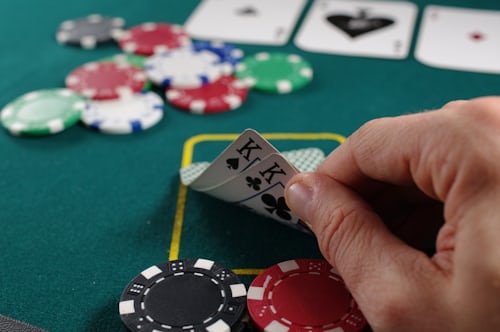
Moreover, intrinsic motivations, such as the enjoyment of risk-taking or the excitement of the game, play a significant role. For some, gambling becomes an escape from daily stressors, offering a temporary respite that can reinforce their behavior even further.
Cognitive biases significantly affect how gamblers perceive their chances of winning. The illusion of control, for example, leads individuals to believe they can influence outcomes in games of chance, such as poker or blackjack. This misguided belief can result in more frequent gambling, as individuals feel empowered and optimistic about their prospects.
Additionally, the gambler’s fallacy—the belief that past outcomes influence future probabilities—can lead to a dangerous cycle of betting. Gamblers may feel that they are “due” for a win after a series of losses, prompting them to increase their stakes and gamble more frequently.
The Impact of Emotional States
Emotions play a crucial role in gambling behavior. Many people turn to gambling during times of stress, depression, or anxiety, using it as a coping mechanism. The immediate gratification and excitement of gambling can provide a temporary mood boost, leading individuals to return to the activity even when it may be detrimental to their well-being.
Conversely, positive emotional states can also encourage gambling. Celebratory occasions or feelings of euphoria might prompt individuals to engage in gambling as a way to amplify their joy. This emotional connection to gambling can create a cyclical pattern that is hard to break.
The Social Environment and Peer Influence
The social context in which an individual finds themselves can significantly influence their gambling behavior. Peer pressure and social norms regarding gambling can encourage individuals to participate in gambling activities, especially among young adults. The desire to fit in or impress friends can lead to increased betting and risk-taking.
Furthermore, online platforms have made it easier for social gambling to flourish. The ability to share experiences and outcomes with friends on social media can enhance the appeal of gambling, making it a communal activity rather than a solitary one. This social reinforcement can further entrench gambling behaviors.

Your Gateway to Responsible Gambling
Understanding the psychological factors that drive gambling behavior is vital for fostering a responsible gaming environment. By recognizing these influences, individuals can make more informed choices about their gambling habits. Resources and support systems are essential for promoting healthy gambling behaviors, ensuring players enjoy their experience without the risk of addiction.
Our website serves as a comprehensive guide, offering insights and resources related to responsible gambling. With a focus on safe practices and informed decision-making, we aim to create a community that enjoys gaming while remaining aware of the psychological dynamics involved.
No Comments